
The Importance of Railway Fencing: A Comprehensive Guide to Railway Fencing Solutions
Views:441Publish Time: 2026-01-23
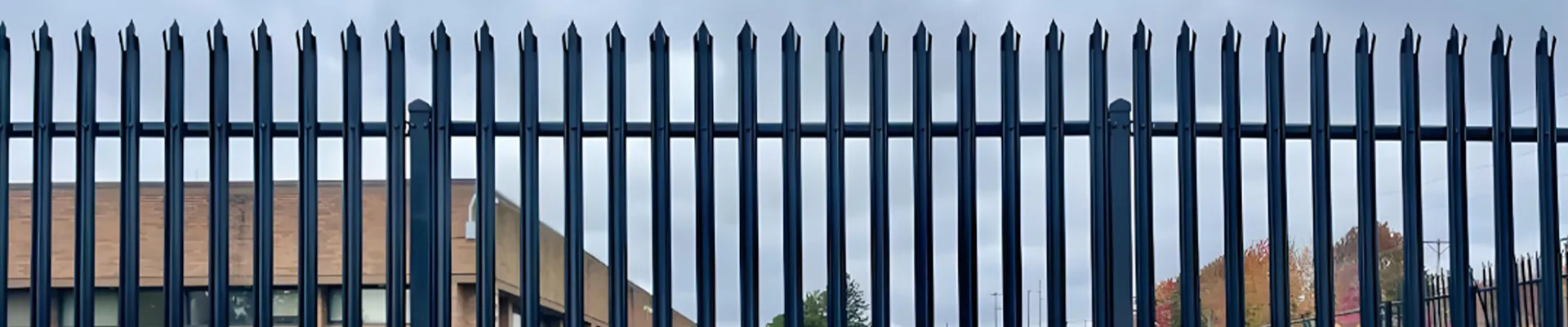
When it comes to ensuring safety and efficiency in railway operations, railway fencing plays an indispensable role. Commonly known as railway isolation nets or railway isolation fences in certain regions, these protective barriers are primarily used to secure enclosed railway and high-speed rail areas. As an essential infrastructure element, railway fencing offers numerous benefits, making it an ideal solution for protecting railway premises.
Advantages of Railway Fencing
Railway fencing is not just about safety; it is about creating a robust infrastructure that withstands various environmental conditions. Here are some of the key features and benefits of railway fencing:
1. Cost-Effective Construction: The pillars of the railway fencing are typically made from concrete castings, ensuring low construction costs. This makes railway fencing an economically viable option for enhancing security.
2. High Strength and Stability: The mesh panels used in railway fencing are engineered for high strength, providing excellent overall stability. This ensures that the fencing remains intact and functional over time, even in adverse weather conditions.
3. Corrosion Resistance and Aesthetic Appeal: With features like hot-dip galvanization and spray plastic coatings, railway fencing exhibits remarkable corrosion resistance. This treatment not only enhances durability but also adds decorative value, elevating the overall aesthetic of the fencing.
4. Customizable Design: Railway fencing can be manufactured in a variety of colors, such as white, blue, and green. This customization allows for harmonious integration into the surrounding environment, making it visually appealing while serving its protective purpose.
5. Durability Against the Elements: Designed to resist corrosion, aging, and sunlight exposure, railway fencing provides long-lasting protection for enclosed areas. Its resilient nature ensures that it remains effective in safeguarding railway operations and adjacent grounds.
Applications of Railway Fencing
Railway fencing is not limited to mere railway operations. It has broader applications, including:
- Highway Guardrails: These barriers are adaptable, ensuring safety for vehicular traffic alongside railway lines.
- Development Zones: In industrial and commercial zones, railway fencing acts as a boundary separator, maintaining security and privacy.
- Bonded Areas: The fencing is also utilized around customs tax-free zones, providing a clear delineation to secure these vital facilities.
In conclusion, railway fencing is an integral component of the realm of railway safety infrastructure. It combines functionality, durability, and aesthetic appeal, making it an excellent choice for a range of applications. Whether for securing railway lines, highways, or development districts, the benefits of railway fencing are undeniable. Investing in high-quality railway fencing not only enhances safety but also optimizes the overall appearance of the area it protects. For those seeking reliable and aesthetically pleasing security solutions, railway fencing is undoubtedly a leading choice.
Lastes NewsBack to list
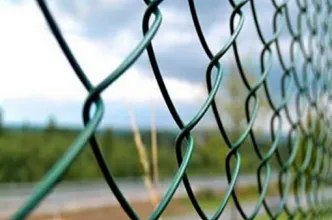
Understanding Green Diamond-Mesh Fencing: Structure and Applications
Understanding green diamond-mesh fencing: structure and applications.
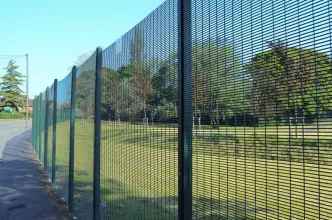
Understanding the Cost Estimation for Wire Mesh Fencing
Understanding the cost estimation for wire mesh fencing.

Join ADTO Group at The 140th Canton Fair: An Invitation to Innovate and Connect
Join ADTO Group at The 140th Canton Fair: An Invitation to Innovate and Connect.
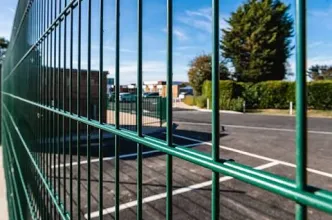
Definition and Structural Characteristics of Double-Wire Mesh Fencing
Definition and structural characteristics of double-wire mesh fencing.
Understanding Barbed Wire Mesh Fence
Understanding barbed wire mesh fence.
Advantages of Using a Garden Fence
Advantages of using a garden fence.