
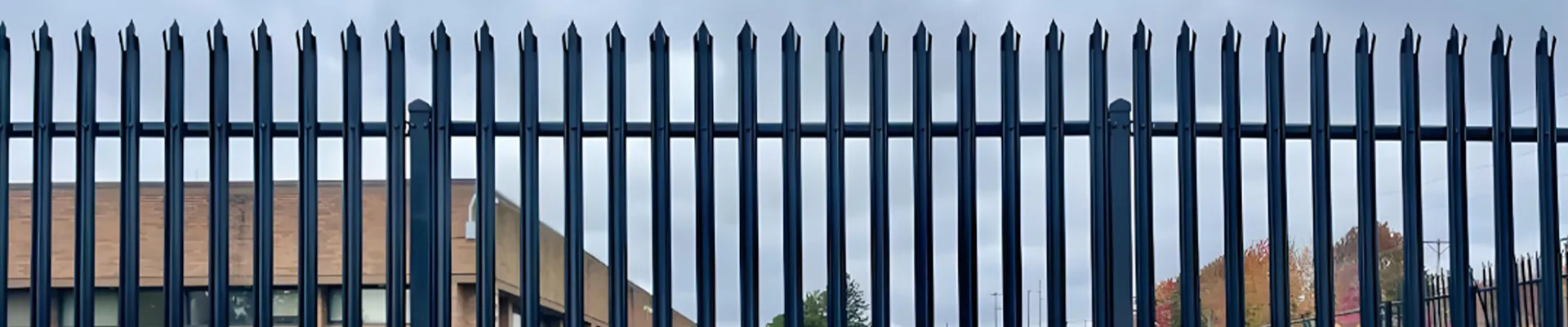
Understanding the Cost Estimation for Wire Mesh Fencing
Views:65Publish Time: 2026-09-30
When it comes to construction and infrastructure projects, understanding the cost estimation for wire mesh fencing is crucial. This estimation process involves calculating expenses related to materials and labor based on engineering budgetary standards. A vital component in this process is clearly defining the specific parameters of the fencing and adhering to local pricing standards.
Basis of Cost Estimation for Wire Mesh Fencing
At the heart of cost estimation lies three key factors: the height of the fence, type of material, and installation method. Each of these elements plays a significant role in determining both material quantity and labor hours.
1. Height of the Fence: The height of the wire mesh fencing dramatically affects the amount of material needed and labor required. For example, a 1.8-meter high fence will typically require around 30% more wire mesh compared to a 1.2-meter fence.
2. Type of Material: The kind of wire mesh used also influences pricing. Coated wire mesh, such as plastic-coated options, usually costs 15-20% more per square meter than standard galvanized wire mesh. This cost difference is primarily due to the additional surface treatment processes involved.
3. Installation Method: The method chosen for installation can significantly affect the overall cost. For instance, using a concrete foundation incurs a higher unit cost compared to directly embedding ground anchors. However, this approach can lower maintenance costs in the long run.
Common Applications in Projects
In actual engineering scenarios, there are two predominant applications for wire mesh fencing:
1. Temporary Road Barriers: Oftentimes, temporary barriers for roads utilize a height range of 1.2 to 1.5 meters of plastic-coated wire mesh. For such installations, the relevant municipal engineering standards should be applied to ascertain the cost estimates accurately.
2. Permanent Fencing for Livestock: On the other hand, permanent fencing solutions for livestock facilities commonly opt for a 2-meter high reinforced wire mesh. In these cases, it is essential to integrate calculations from the civil engineering cost estimates associated with metal fencing structures.
In conclusion, understanding the intricacies of wire mesh fencing cost estimation involves meticulous consideration of height, material type, and installation method. Whether for temporary or permanent applications, careful planning and adherence to local standards can ensure a cost-effective and reliable fencing solution. By accounting for these factors, engineers and project managers can effectively navigate the budgetary constraints and deliver projects that meet both functional and financial expectations.
Lastes NewsBack to list
Understanding Green Diamond-Mesh Fencing: Structure and Applications
Understanding green diamond-mesh fencing: structure and applications.
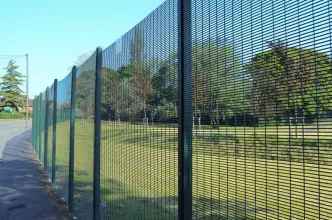
Understanding the Cost Estimation for Wire Mesh Fencing
Understanding the cost estimation for wire mesh fencing.

Join ADTO Group at The 140th Canton Fair: An Invitation to Innovate and Connect
Join ADTO Group at The 140th Canton Fair: An Invitation to Innovate and Connect.
Definition and Structural Characteristics of Double-Wire Mesh Fencing
Definition and structural characteristics of double-wire mesh fencing.
Understanding Barbed Wire Mesh Fence
Understanding barbed wire mesh fence.
Advantages of Using a Garden Fence
Advantages of using a garden fence.