
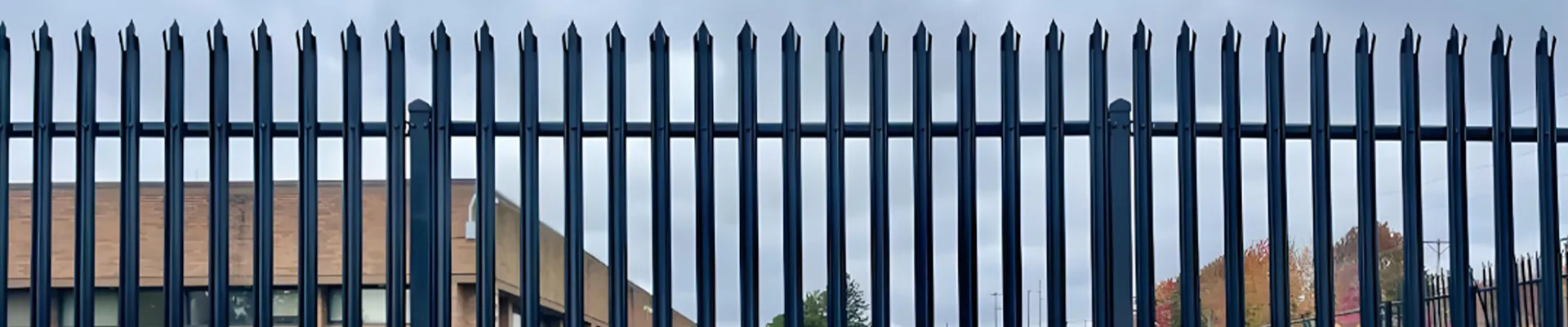
Corrosion Protection of Sports Stadium Mesh Fences and Overall Frame Structures
Views:146Publish Time: 2026-07-17
Corrosion Protection Techniques for Mesh Fences
When it comes to the corrosion protection of mesh fences, particularly those made from chain link fencing, there are two primary methods: plastic coating and dip-coating.
1. Plastic Coating: This method involves encasing the wire strands of the mesh in a layer of polyethylene (PE) plastic. The primary advantage of this approach is that it ensures each wire is completely and uniformly coated, providing a robust barrier against corrosion. This method is especially beneficial in environments prone to rust and deterioration, ensuring that the longevity of the mesh fence is maximized.
2. Dip-Coating: Dip-coating entails immersing the entire formed mesh in a plastic solution. While this process can provide protection, it may result in uneven coverage, which may lead to potential weak points where rust could develop. The risk of under-coating or the phenomenon of "leakage" of plastic can compromise the overall integrity of the mesh fence.
Both methods have their advantages and drawbacks, and the choice largely depends on the specific requirements of the sports facility in question and the environmental factors it faces.
Frame Corrosion Protection
Similarly, the corrosion protection of the overall frame, which supports the mesh fence, can be addressed through different techniques. Two common methods are dip-coating and electrostatic spraying.
1. Dip-Coating: This technique involves the complete immersion of the frame and mesh panels in plastic after they have been formed. While this can provide a certain level of protection, it typically results in lower adhesion strength of the plastic layer, which may diminish over time.
2. Electrostatic Spraying: This method offers superior adhesion, ensuring that the protective coating firmly bonds to the frame. However, the drawback is that the layer of plastic applied is generally thinner than that achieved with dip-coating. Thus, while it may adhere better, it might not provide the same level of protection against aggressive environmental factors.
Choosing the right type of corrosion protection for **mesh fences** and the overall frame is crucial for maintaining the structural integrity and aesthetic appeal of sports facilities. Each coating process—whether it be plastic coating, dip-coating, or electrostatic spraying—has its unique set of benefits and challenges.
When planning for sports venues such as basketball courts or tennis courts, it is advisable to evaluate the specific environmental conditions and maintenance capabilities to select the most suitable corrosion protection method. Investing in high-quality mesh fences and understanding their protection processes ensures that sports facilities can continue to serve their purpose without the constant threat of wear and decay.
Lastes NewsBack to list
Understanding Green Diamond-Mesh Fencing: Structure and Applications
Understanding green diamond-mesh fencing: structure and applications.
Understanding the Cost Estimation for Wire Mesh Fencing
Understanding the cost estimation for wire mesh fencing.
Join ADTO Group at The 140th Canton Fair: An Invitation to Innovate and Connect
Join ADTO Group at The 140th Canton Fair: An Invitation to Innovate and Connect.
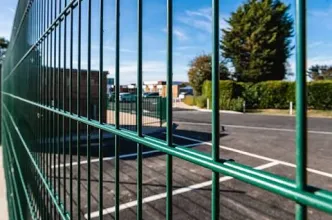
Definition and Structural Characteristics of Double-Wire Mesh Fencing
Definition and structural characteristics of double-wire mesh fencing.
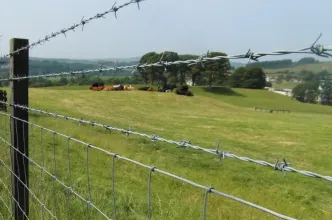
Understanding Barbed Wire Mesh Fence
Understanding barbed wire mesh fence.
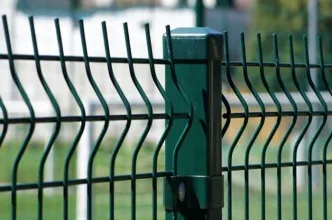
Advantages of Using a Garden Fence
Advantages of using a garden fence.