
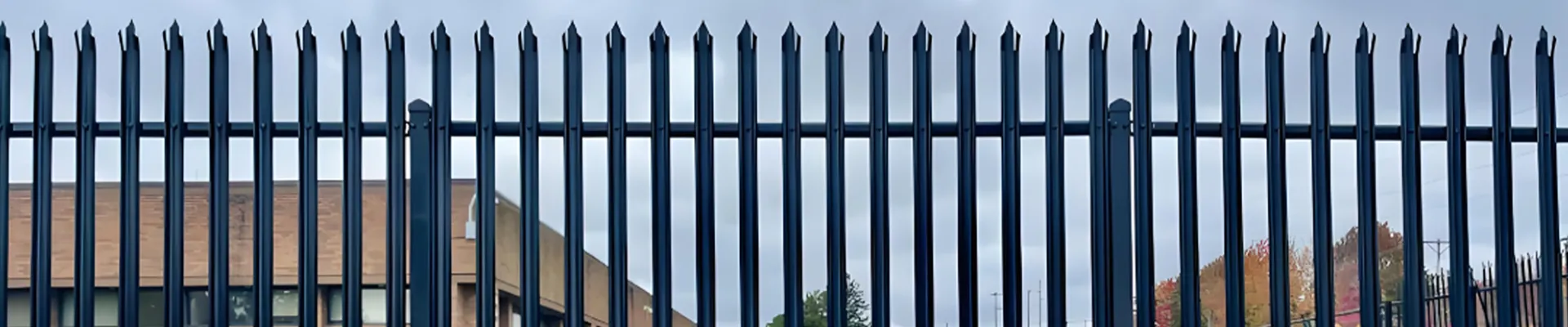
Standards for Installing Fencing Systems: Ensuring Quality and Safety
Views:19Publish Time: 2026-11-20
When it comes to protecting properties and enhancing security, a fencing system serves as a crucial element in various environments such as highways, railways, airports, residential complexes, docks, gardens, and animal husbandry areas. With their built-in resistance to corrosion, aging, sunlight exposure, and diverse weather conditions, fencing systems made from steel plates or wire mesh, alongside barbed wire, have become increasingly popular. However, proper installation is essential to ensure that these fencing systems perform optimally. Below are the standards that must be adhered to upon installation.
1. Ensuring Flatness and Tension
One of the primary requirements for a fencing system is that the mesh surface must be flat after installation, without any noticeable warps or bumps. For fencing systems that include barbed wire, it is crucial that the wire is tensioned correctly. The vertical deflection at the center of the tightened barbed wire should not exceed 15mm. This ensures that the fencing system remains effective as a security barrier.
2. Compliance with Structural Integrity
The metal posts used in the fencing system must exhibit a bending limit not exceeding 8mm per meter. Furthermore, it is important to ensure that these posts do not show significant deformation, curling, or scratches. Proper structural integrity is vital for the longevity and reliability of the fencing system.
3. Adherence to Material Specifications
All components, including metal posts, wire mesh sheets, barbed wire, diagonal braces, and connective elements, must conform to the design specifications. They should also undergo appropriate anti-corrosion treatments—such as electroplating, hot-dip galvanization, plastic coating, or immersion plasticization—before installation. Only materials certified for quality after sampling inspections should be utilized in the fencing system.
4. Correct Installation Depth
The depth to which the posts are embedded must align with design specifications. A secure connection between the posts and the foundation, as well as between the fencing system and the posts, is critical to ensure that the structure remains stable and does not shift over time.
5. End Points Compliance
The starting and ending points of the fencing system should comply with design requirements for terminal enclosures. This is essential for maintaining the integrity of the entire fencing system and ensuring effective protection.
6. Foundation Strength
Finally, the concrete strengths and geometric dimensions of the posts and the foundations must meet or exceed the specifications laid out in the design requirements. A solid foundation is crucial for the sustainability and effectiveness of the entire fencing setup.
In summary, when installing a fencing system, it's imperative to follow the standards outlined above to ensure security and functionality. Proper installation not only contributes to the system's durability but also assures that it serves its intended purpose effectively. By adhering to these guidelines, one can guarantee a fencing system that is safe, reliable, and built to last. Whether using wire mesh or barbed wire, every aspect of the installation plays a pivotal role in the overall effectiveness of the fencing system.
Lastes NewsBack to list
Standards for Installing Fencing Systems: Ensuring Quality and Safety
Standards for installing fencing systems: ensuring quality and safety.
The Design of Prison Perimeter Fencing
The design of prison perimeter fencing.
How to Determine the Mesh Size of Wire Mesh Fence?
How to determine the mesh size of wire mesh fence?
The Characteristics of Hooked Wire Fence Products
The characteristics of hooked wire fence products.
6'x12' Temporary Fences for Safety and Security
6'x12' temporary fences for safety and security.
Why Choose a Garden Fence Made from Low-Carbon Steel Wire?
Why choose a garden fence made from low-carbon steel wire?